

Student Fellows 2026
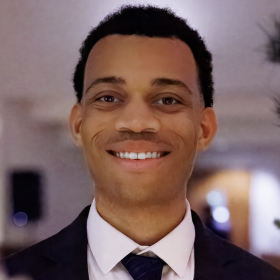
K'vion Berry
Interest in Electrical Engineering

Alexa Bohanon
Computer Science and AI
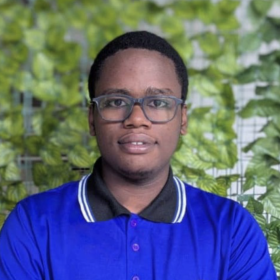
Believer Gall Hirwa
Electrical Engineering and Computer Science
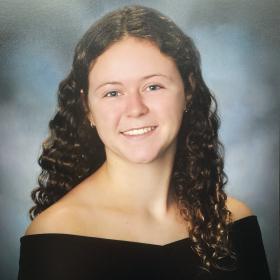
Caroline Laber
Chemical-Biological Engineering
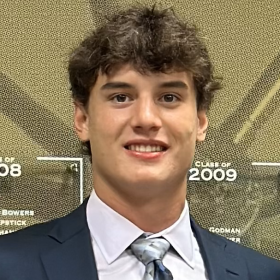
Parker McClain
Chemical Engineering
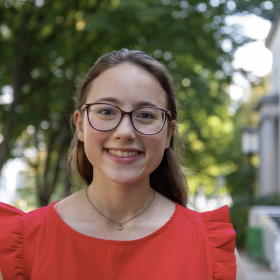
Sophie Thompson
Chemical Engineering
In Review: the 2025 Lemelson-MIT Student Fellows
The 2025 Student Fellows assisted with qualitative research into navigating education challenges experienced by educators and administrators across the United States. They benefited from gaining foundational knowledge of qualitative research methodologies and methods, including designing and conducting interviews and how to analyze qualitative data. They also heard from former MIT Student Fellows, as well as experts in the field with a background in qualitative and UX research. Some continued to work on publications and to engage in conference presentations as they shared research findings developed during the internship.
Student Fellows 2025
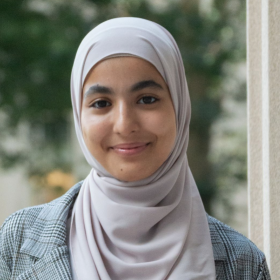
Salma Bouzit
MIT Artificial Intelligence and Machine Learning

Cali Hendricks
MIT Mechanical Engineering
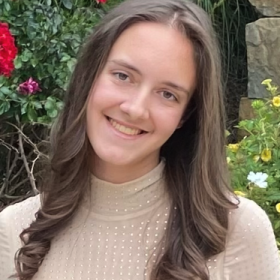
Emily Knapp
MIT Department of Mathematics
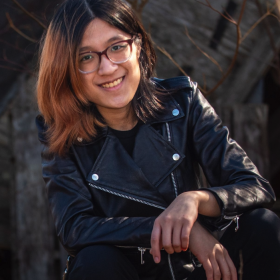
Elizabeth (Ellie) Montemayor
MIT Department of Brain & Cognitive Sciences
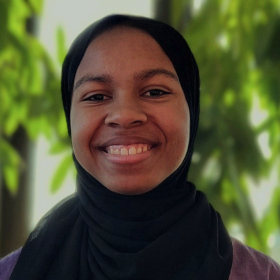
Yasmeen Shabazz
MIT Schwarzman College of Computing; EECS Department
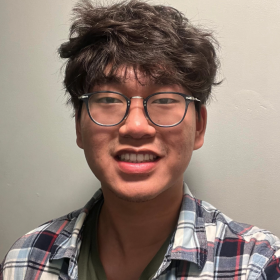
Gabriel Tian
MIT Chemical-Biological Engineering


